
10 Smart Things to Know Before Planning Your Hawaiian Vacation


Escaping on the ultimate Hawaiian vacation sounds like paradise, and it can be, but it takes more than tossing swimsuits into a carry-on and grabbing the next flight to Honolulu. With multiple islands to choose from, seasonal weather patterns, unique logistics, and a healthy dose of sticker shock, it pays to be strategic when designing your Hawaii trip.
As travel advisors who work with active travelers looking for stress-free, bucket list experiences, we help take the guesswork out of planning. Here are ten essential things to keep in mind when planning your Hawaiian vacation.
1. Timing Is Everything And Season Matters
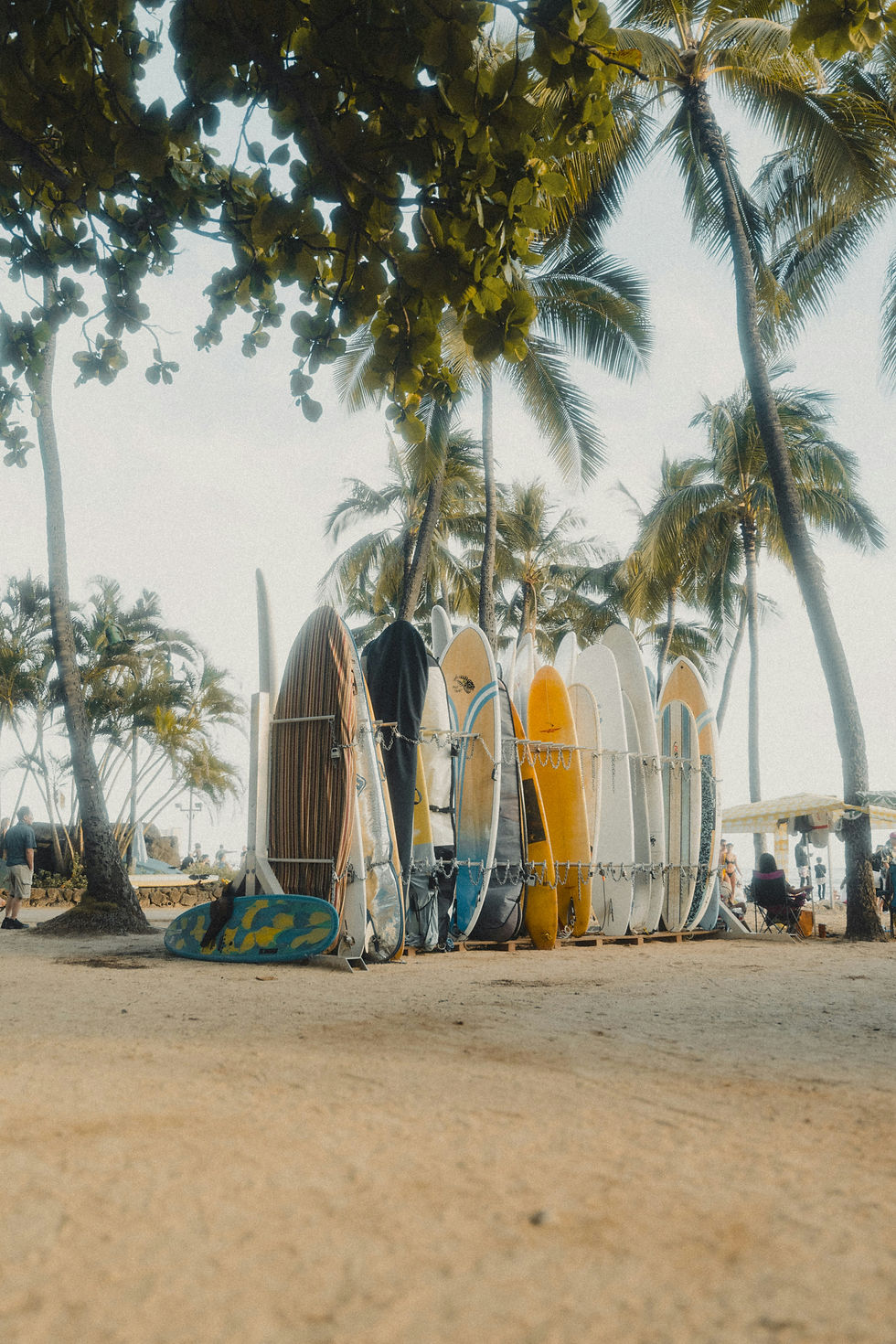
The Hawaiian Islands are a year-round destination, but when you go can dramatically shape your experience. Winter months (especially January to March) are prime time for spotting migrating humpback whales and enjoying cooler temperatures. Summer offers drier weather and calmer seas for snorkeling and swimming, though it can be busier and more expensive.
Need to avoid crowds? Late spring and early fall, often hit that sweet spot of pleasant weather, fewer tourists, and better value. If you're set on a specific experience (surfing big waves or hiking without rain), it’s best to plan around seasonal patterns. This is exactly the kind of conversation we have with clients to fine-tune the right time to go.
2. Give Yourself Time to Unwind (And Adjust)

A common mistake we see is underestimating the time you’ll need in Hawaii. Flights from the West Coast take about six hours, and if you’re coming from the East Coast or Midwest, expect longer travel times and multiple time zones. Jet lag is real, and it can hit harder when you land in paradise expecting instant bliss.
To truly relax into your vacation, we recommend staying at least seven nights, or longer if you’re visiting multiple islands. That gives you time to explore, unwind, and enjoy Hawaii on island time. Plus, with flights often being one of the biggest expenses of your trip, it makes sense to maximize your time on the ground.
3. Should You Island Hop or Go All-In on One Island?

This is one of the biggest questions when planning a Hawaii trip: stick to one island or visit several? Island hopping sounds exciting and adventurous, and it can be, but inter-island flights take time, add cost, and mean more hotel check-ins and airport lines.
If it’s your first trip to Hawaii or you’re looking to keep things simple, focusing on one island allows for a richer, more relaxed experience. You'll get to know the island’s personality and avoid feeling like you're constantly packing and repacking. But if variety is your vacation love language and you want to see how Kauai’s jungles compare to the Big Island’s lava fields or Maui’s beaches, hopping between two islands might be the perfect fit.
As travel advisors, we help clients weigh these trade-offs based on time, budget, and energy levels, because no one wants to spend their entire trip in transit.
4. Every Island Has Its Own Personality—Find Yours
Hawaii isn’t just one place. It’s a collection of islands, each with a different vibe. Here’s a quick intro to the four most visited islands:
Oahu: Home to Honolulu and Waikiki, this is where city life meets the sea. Think high-rise hotels, shopping, historic sites like Pearl Harbor, and an active nightlife scene.
Maui: A favorite for many first-time visitors, Maui offers a bit of everything: stunning beaches, scenic drives like the Road to Hana, volcanic craters, and upscale resorts.
Big Island (Hawai‘i Island): Geologically fascinating and less touristy, the Big Island offers volcanoes, black sand beaches, and dramatic landscapes that change by the mile.
Kauai: Known as the Garden Isle, Kauai is wild, green, and perfect for hikers, kayakers, and those looking to truly disconnect.

Each island offers something special, so choosing the right one, or the right combo, comes down to your priorities. Want luxury? Adventure? Seclusion? We help clients identify what kind of traveler they are and match them to the best destination.
5. Yes, You’ll Need a Budget (And No, It’s Not Cheap)

Let’s talk numbers. Hawaii is breathtaking and pricey. Everything from gas to groceries costs more than it does on the mainland, thanks to its remote location. Add to that long-haul flights, car rentals, and resort stays, and costs can pile up fast.
Setting a realistic budget early helps you get the most out of your vacation without overspending. We work with clients to outline a ballpark range for flights, accommodations, activities, food, and ground transportation. Having a financial framework also allows us to prioritize the splurges that really matter to you, whether that’s a beachfront suite, a private tour, or a once-in-a-lifetime helicopter ride.
6. Start Planning Your Hawaiian Vacation Early
Hawaii isn’t the kind of place where you want to wing it. Flights and accommodations often book out months in advance, especially during holidays or peak seasons. The earlier you start planning, the more options you’ll have.
Booking early also gives you a better shot at limited-space experiences and often nets you better deals. Bottom line? You’ll get more value and less stress if you start early.
7. Don’t Wait to Book Your Activities

Planning your days might not sound as fun as dreaming about your resort’s infinity pool or wreck diving off of Oahu, but booking activities in advance is essential. This is especially true for for limited-capacity excursions like snorkeling with manta rays, helicopter tours, or sunrise access to Haleakalā.
Even more common experiences like luaus or catamaran sails can sell out during busy times. Waiting until you arrive often means missing out or settling for your second (or third) choice. We help clients pre-book their must-do activities so they can relax once they’re on island.
8. Pack With Purpose
You’ll want more than flip-flops and swimwear. Packing for Hawaii depends on what you’ll be doing: hiking? Snorkeling? Taking a sunset cruise or attending a luau? We guide clients through building a packing list that makes sense for their itinerary and avoids last-minute stress shopping at overpriced resort stores.
For active travelers, it may be worth bringing gear like hiking shoes, dry bags, or even a snorkel mask if you plan to be in the water every day. We also have gear recommendations to make sure you're ready for anything from rainforest hikes to poolside relaxation.
9. Transportation: Plan to Drive
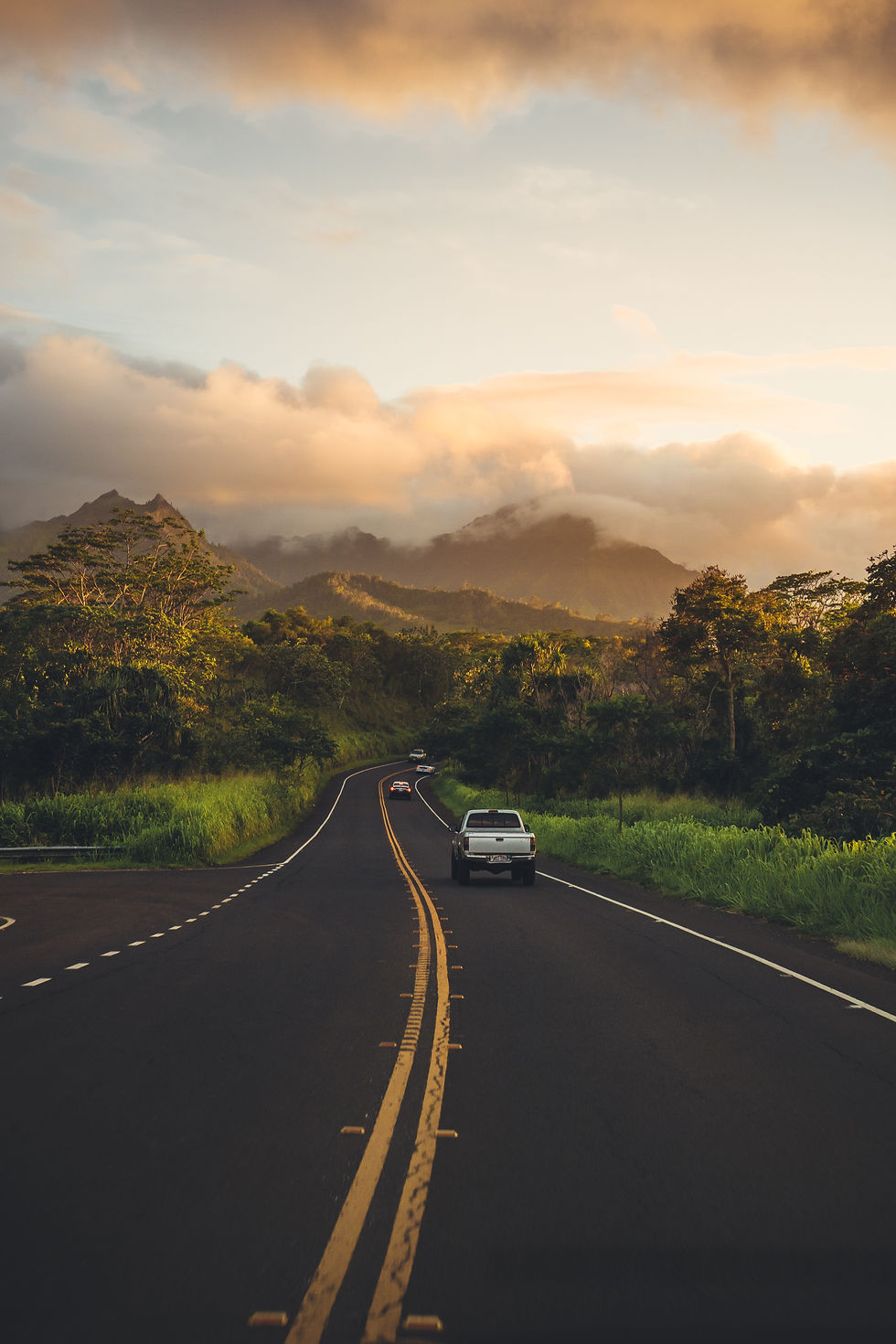
On most islands, having your own wheels is essential. Public transportation can be limited, and ride-shares aren’t always readily available, especially in more remote or residential areas. Renting a car even for a few days, gives you freedom to explore at your pace, whether it’s sunrise at a volcano or a spontaneous stop at a roadside fruit stand.
Just keep in mind: rentals can be pricey, especially on Maui and Kauai, and gas isn’t cheap. Plus, some resorts charge for parking. We’ll help you build these details into your budget so there are no surprise expenses.
10. Cruising the Islands vs. Staying on Land. What’s Right for You?
Here’s a choice that’s often overlooked: should you explore Hawaii by land or by cruise ship? Both have their perks.
Land stays let you immerse yourself in a particular island, giving you the chance to really connect with its landscape and culture. You’ll get the freedom to explore, dine, hike, and beach-hop at your own pace.
Cruising the Hawaiian Islands, on the other hand, allows you to unpack once and see multiple islands without the hassle of inter-island flights and hotel changes. It’s a great option if you want to sample several islands and prefer a more structured, all-inclusive approach.
Which is right for you? That depends on your travel style, trip length, and how you like to explore. I help clients weigh the options and sometimes even combine both approaches for the ultimate Hawaiian experience.
Final Thoughts

Planning a Hawaiian vacation isn’t just about booking a flight and a hotel. It’s about designing an experience that fits your travel style, your goals, and your sense of adventure.
The good news? You don’t have to do it alone. We help travelers plan unforgettable trips to the Hawaiian Islands, without the stress. From choosing the right island to building the perfect itinerary, we’ll guide you every step of the way.
Reach out to Summit & Tide Travel to start a discussion today.


Comments